keys the quantumage can't break.
Lattice is a post-quantum security layer — quantum-resistant keys, signatures, and encryption for every chain, wallet, and agent, so your crypto survives the day a quantum computer breaks ECDSA.
shor's algorithm
breaks your keys.
A quantum computer doesn't need your password — it factors your public key back into your private key. Here's what survives, and what doesn't.
shor's algorithm factors it in hours on a fault-tolerant quantum computer.
a quantum computer with ~2,330 qubits recovers your private key from the public key.
no known quantum attack. standardized by NIST in 2024.
signatures that survive shor and grover alike. NIST-standardized.
hard problems
from neat grids.
Lattice cryptography rests on a question that's hard even for a quantum computer: given a point in a high-dimensional grid, find the closest lattice point. No quantum speedup exists — and none is expected.
the great
migration.
Every chain, wallet, and agent is running algorithms a quantum computer can break. Lattice swaps them for NIST-standardized lattice primitives — one migration, done.
issue, sign,
verify, migrate.
generate
issue a quantum-resistant key — ML-KEM for encryption, ML-DSA for signing.
keys/generatesign
sign with dilithium. every signature is a proof, not a secret.
sign/dilithiumverify
verify anywhere — on chain, in a wallet, in an agent. open standards.
build/contractsmigrate
move off ECDSA before the quantum era. hybrid mode until you're ready.
build/migrationeverything that
signs on chain.
protocols
quantum-resistant validators and consensus for any L1 or L2.
walletswallets
self-custody keys a quantum computer can't recover.
agentsai agents
agents that sign with dilithium — safe from quantum forgery.
custodycustodians
institutions that can't wait for Y2Q to switch.
bridgesbridges
post-quantum key exchange across chains.
identityidentity
quantum-proof verifiable credentials.
3,412 validators,
quantum-safe.
A global set of validators issues keys, signs, and verifies — every signature a lattice proof, every key quantum-resistant.
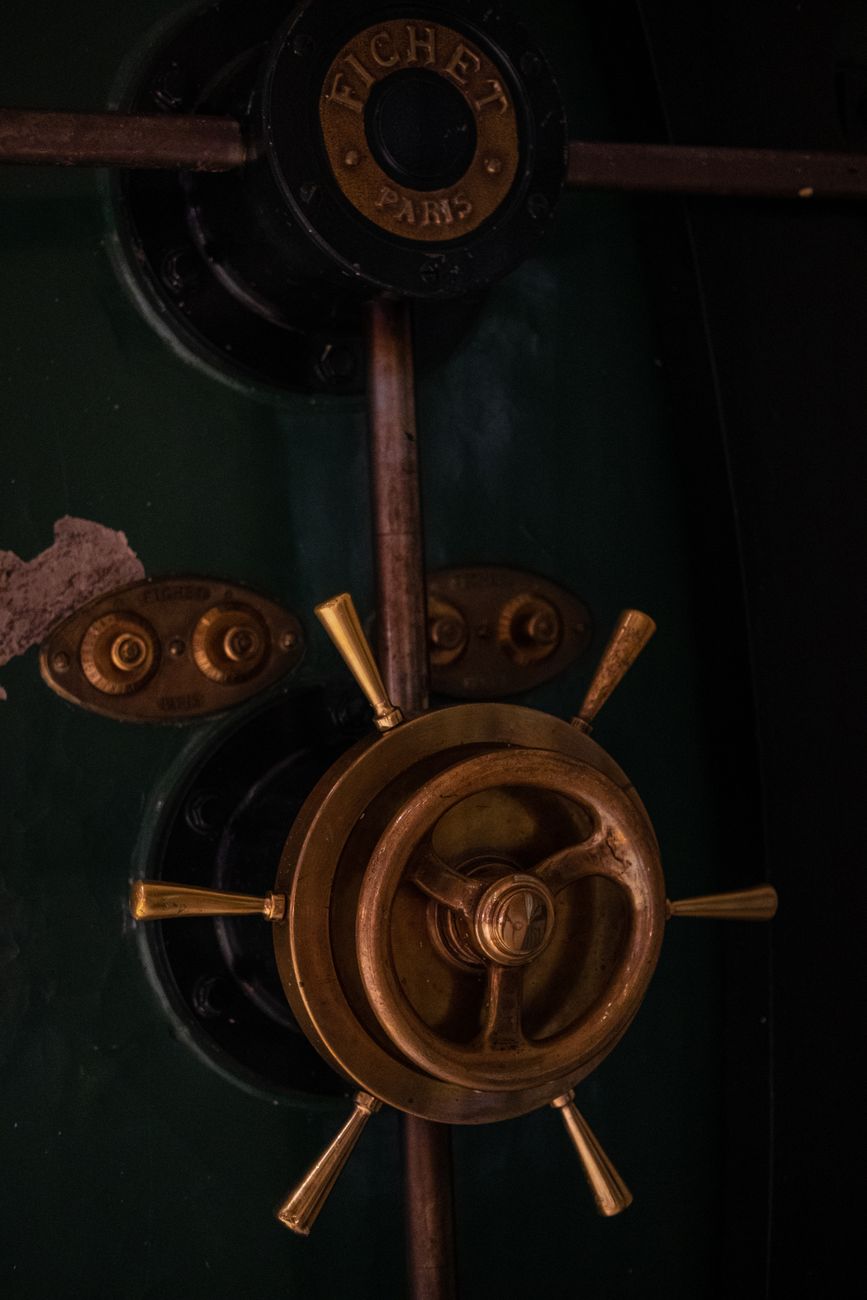
the vault,
in hardware.
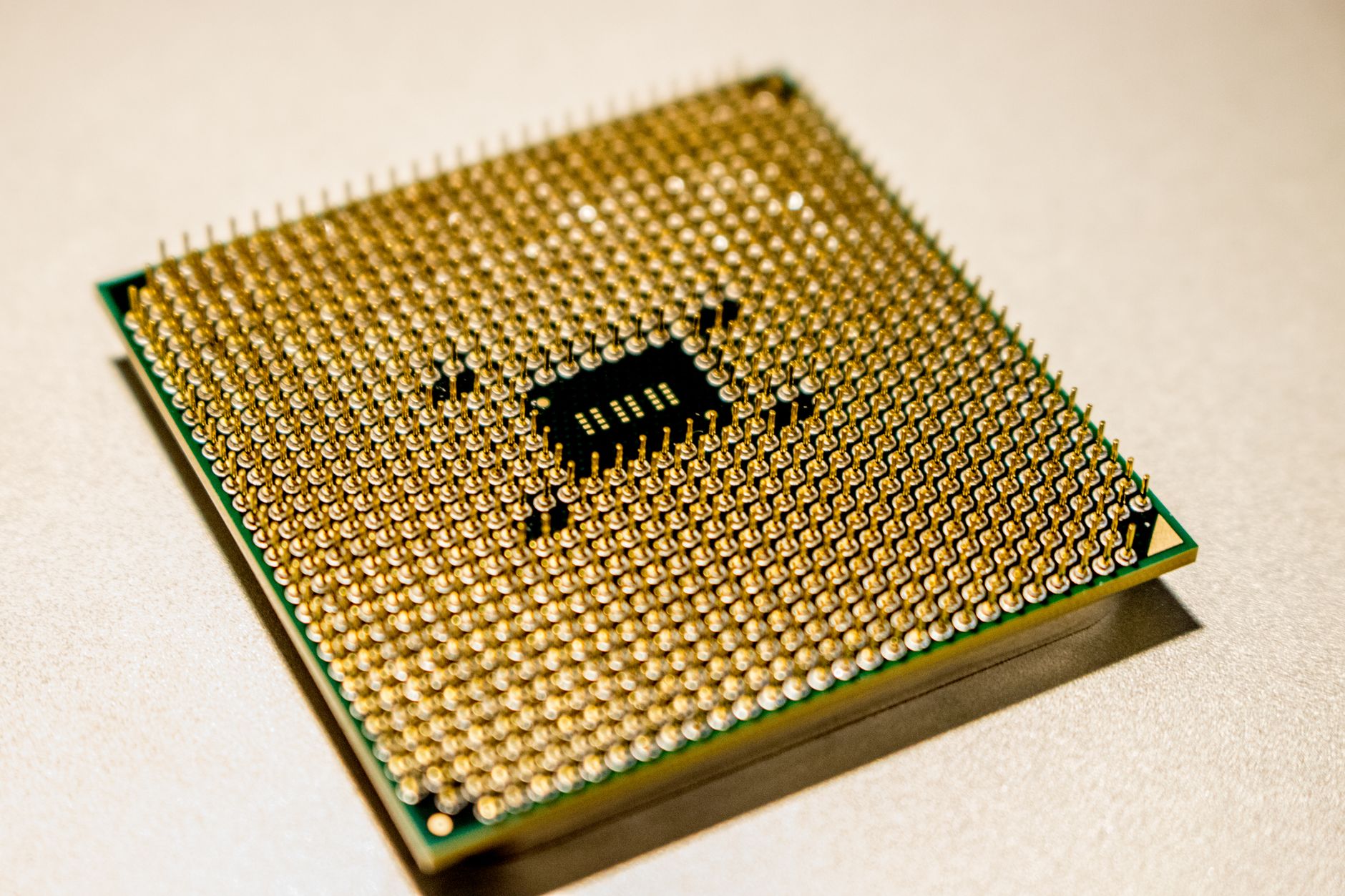
Photos via Pexels, credited below.
ahead of
the quantum clock.
ML-KEM keys + ML-DSA signatures live
ECDSA + dilithium side by side for safe migration
quantum-safe signing on secure enclaves
permissionless validators + $LAT staking on chain
short
answers.
when will quantum actually break crypto?
The honest answer is 'nobody knows exactly, but the direction is clear.' Estimates cluster around the end of this decade for ECDSA. Lattice's position is simple: don't wait to find out — migrate now, while there's no rush.
why lattices?
Lattice problems — finding the closest point in a high-dimensional grid — have resisted decades of classical and quantum attack. NIST standardized lattice primitives (ML-KEM, ML-DSA) precisely because they have no known quantum speedup.
can I keep using ECDSA?
Yes, in hybrid mode. Lattice issues a dilithium signature alongside your ECDSA one, so you get quantum safety today without breaking any existing integration.
is this actually urgent?
Yes, for anything long-lived. A 'harvest now, decrypt later' attack can record your encrypted data today and crack it the moment a quantum computer exists. Secrets with a multi-year shelf life should migrate first.
the quantum clock
is already ticking.
Migrate before the era catches up with your keys. Everything else is a countdown.